Global Wellness Festival
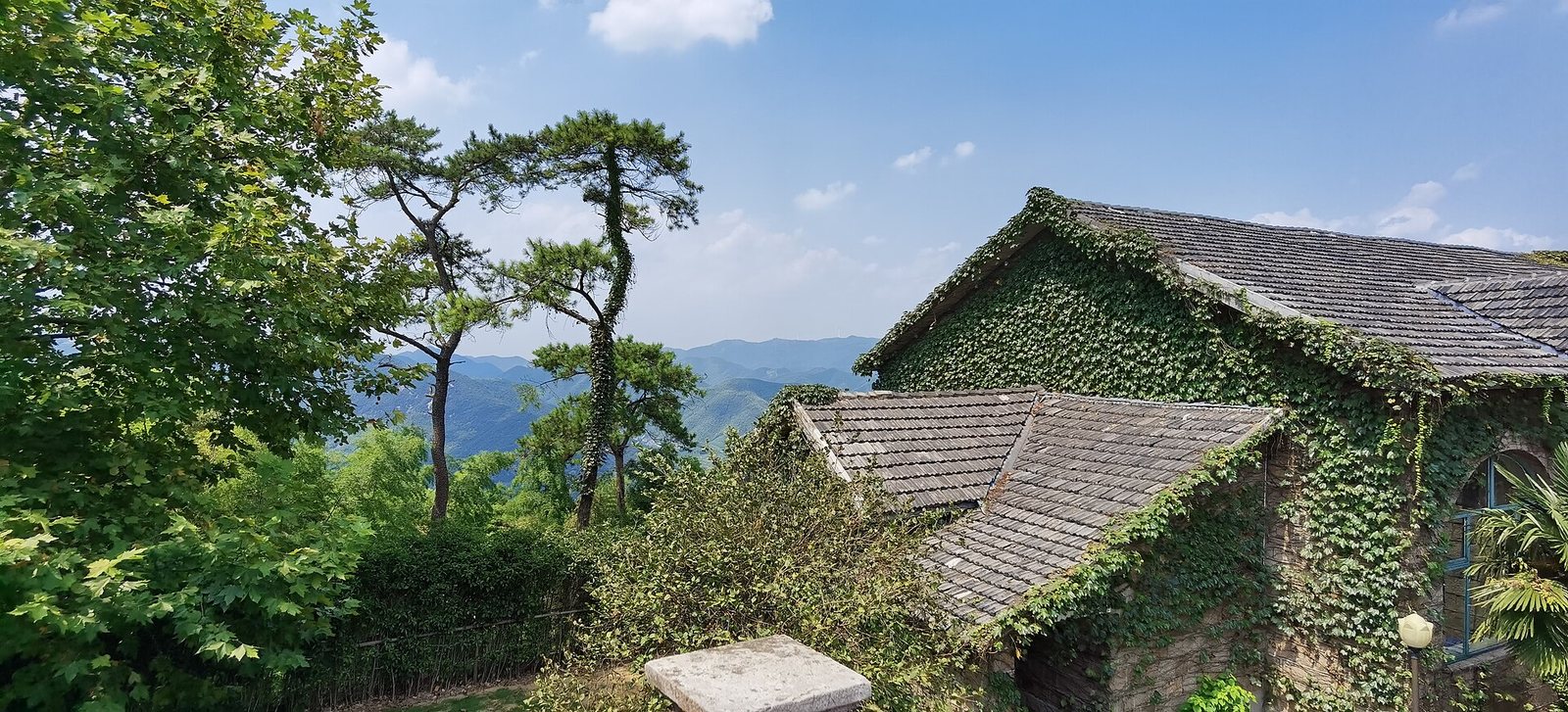
An old house on Mount Mogan, covered in vines, with mountains behind it

LEE · PAK · LUCY

Three Cool Days

Mount Mogan, Deqing, Huzhou, Zhejiang

A three-day festival. People leave the city, sleep in an old house on the mountain, exercise together in the morning, eat at one table, and finish one hard thing each afternoon. We put it in China because we are from China, and we can explain this mountain.

00Album

Real photos, moving down like a waterfall. Move the mouse over them and they stop. The bar at the top stays put while you scroll.

Old house and mountains on Mount Mogan Stone steps through the trees on Mount Mogan A plate of beans, rice, and flatbread A hole cut in the ice in Finland
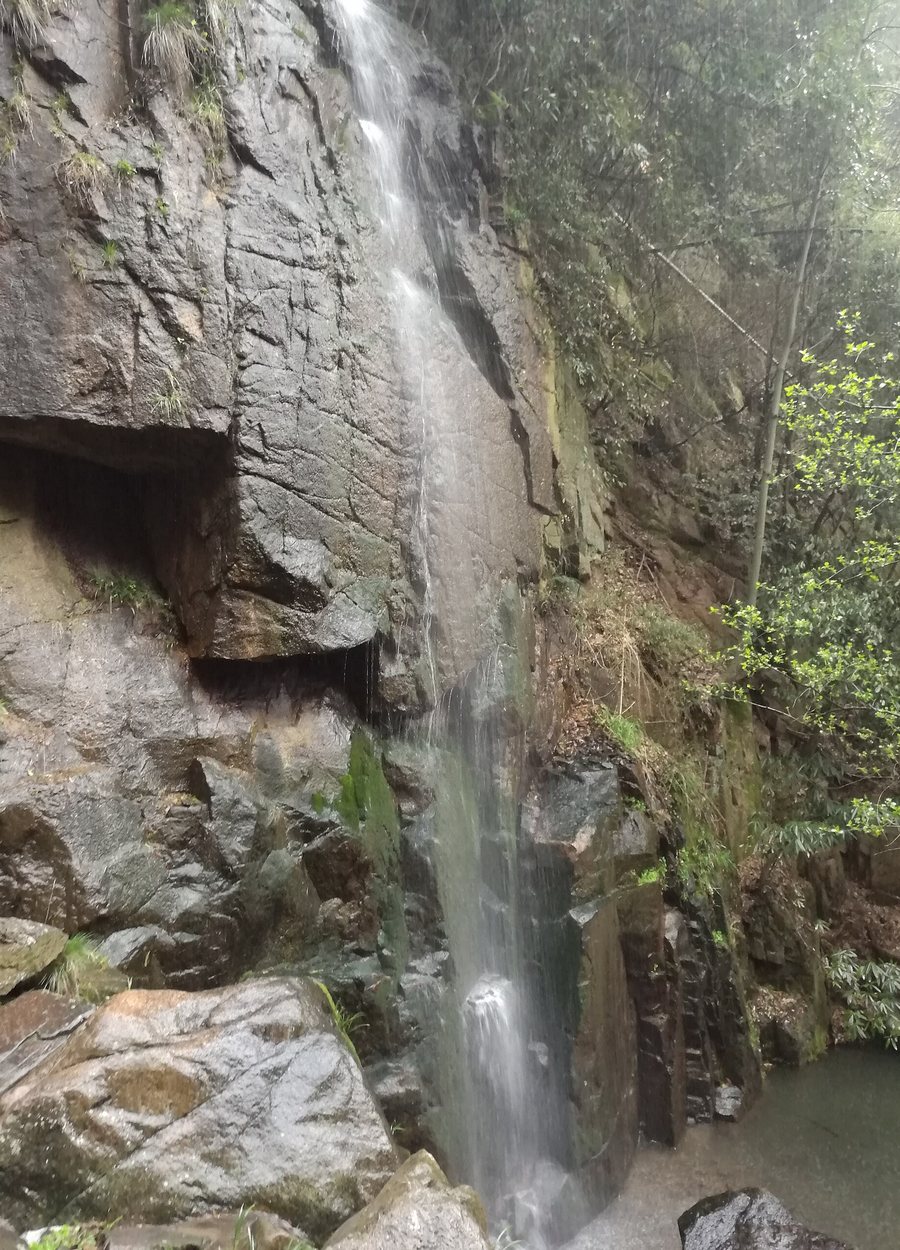
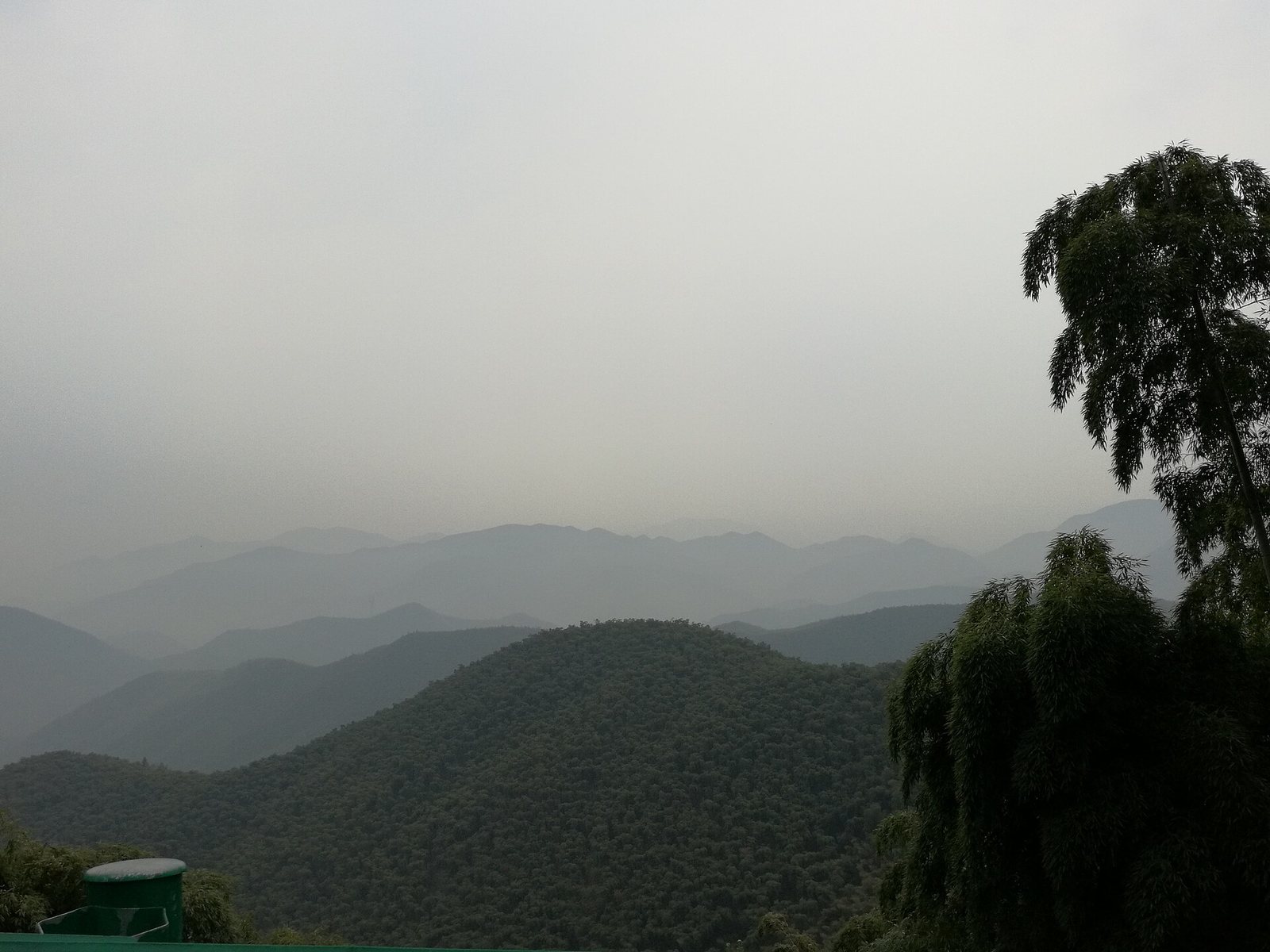
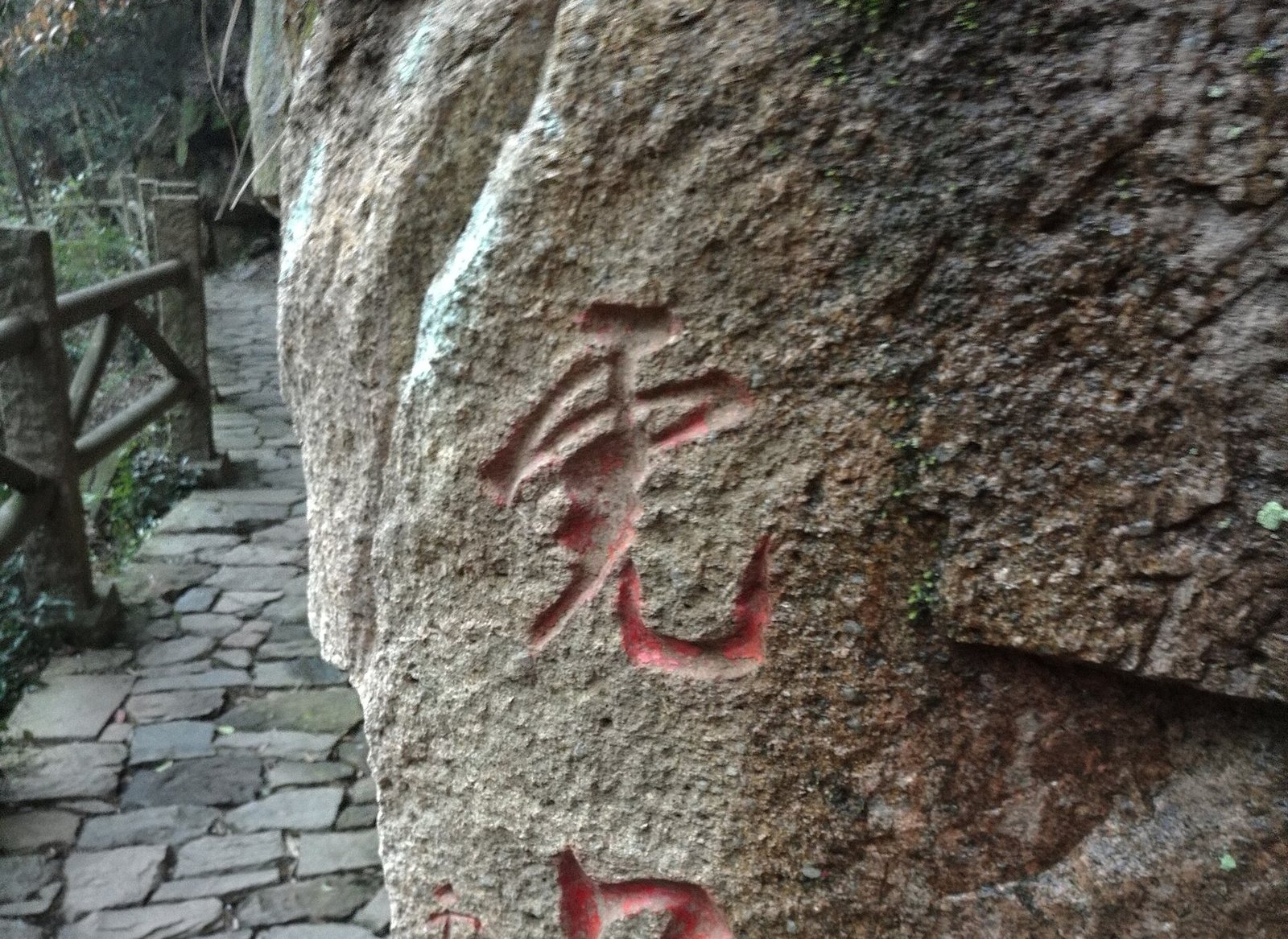
A thin waterfall on a rock face at Mount Mogan Layers of misty hills at Mount Mogan People doing radio exercises together in Japan A rock on Mount Mogan carved with the words Tiger Mouth
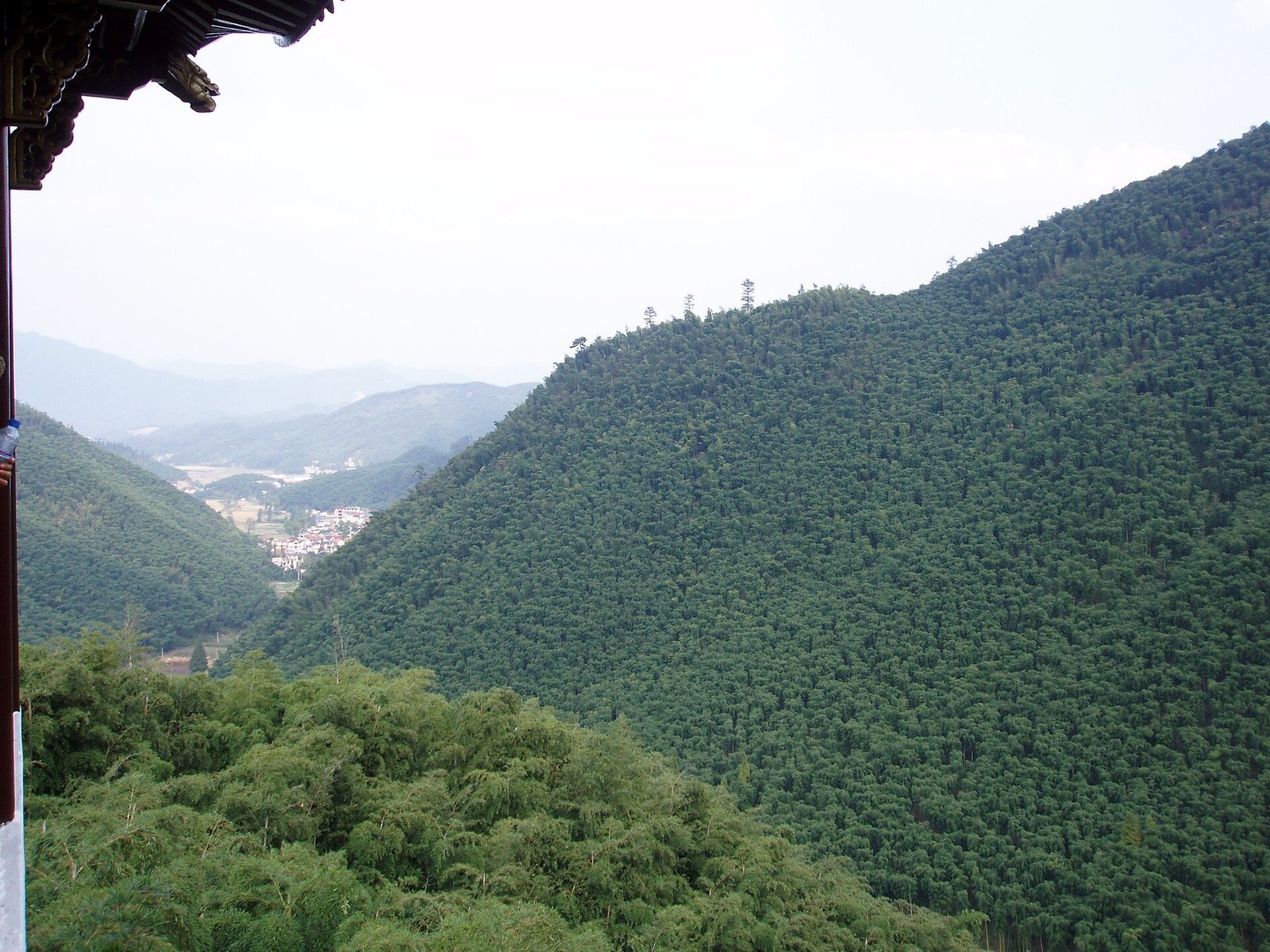
Bamboo covering a hillside in Zhejiang Beans and rice Long stone steps Mist over the hills

01Why Mount Mogan

Mount Mogan is in Deqing County, Huzhou, Zhejiang. It is a ridge of the Tianmu Mountains. The Huzhou government page says the main peak, Tashan, is 758 meters high, plant cover is 92%, and the mountain is bamboo, springs, and mist. People have long called it a cool world. It is counted with Beidaihe, Mount Lu, and Jigong Mountain as one of China’s four great summer retreats. In 1994 the State Council made it a national scenic area.

Hangzhou and Shanghai are hot and loud in summer. Mogan is higher than the plain, and the trees block the sun, so the same week is cooler on the mountain. Bamboo and mist fill the view. Many paths are stone steps, so a car cannot follow you from the house to the table. Old villas from the late Qing and early Republic still stand here. We sleep in that kind of house.

The name is already the mountain’s. The old story says Ganjiang and Moye forged swords here, and the mountain took their names. A rock beside the path is carved with the words Tiger Mouth. That mark belongs to this road. We keep the real name.

  • 758 mTashan, the main peak
  • 92%Plant cover, from the city page
  • 1994Named a national scenic area
  • BambooPlus springs and mist
Misty ridges and bamboo at Mount Mogan
Mount Mogan. Mist separates the ridges. Photo from 2016, Wikimedia Commons.
A hillside in Zhejiang covered in bamboo, with a village in the valley
Bamboo hills in Zhejiang. Around Huzhou, where Mount Mogan stands, the slopes look like this. Wikimedia Commons. The official travel note also says the bamboo brings mosquitoes, so people should pack repellent.

02Three days, three practices

We keep three habits, and we say where each one comes from. The morning exercise is China’s radio calisthenics. The meals follow the Nicoya Peninsula in Costa Rica. The hard task each day uses the Finnish word sisu: you finish the hard thing. Japan’s radio taiso is the same kind of morning exercise. The photo is from Japan, and it is labeled as Japan.

China · on the radio since 1951

Radio calisthenics

On November 24, 1951, the preparatory committee of the All-China Sports Federation, the Ministry of Education, and other offices sent a joint notice to spread radio calisthenics. On December 1, 1951, the music of the first set was broadcast by China National Radio. Factories, schools, and offices did it in the morning. A People’s Daily article on April 23, 2021, says the set has been revised up to the ninth set. Each of our three mornings, we do one full set of the current version, with the original music.

Japan’s radio taiso went on the air in November 1928. It is also a fixed morning time and one shared set of moves. We studied it. The festival itself leads China’s radio calisthenics, because we already know the moves and the music.

For the bodyShoulders, waist, knees, and breathing all move after you get up. No equipment. A first-timer can follow.

For the mindWhen the music starts, everyone moves the same way. People who have not met yet are already doing one thing together.
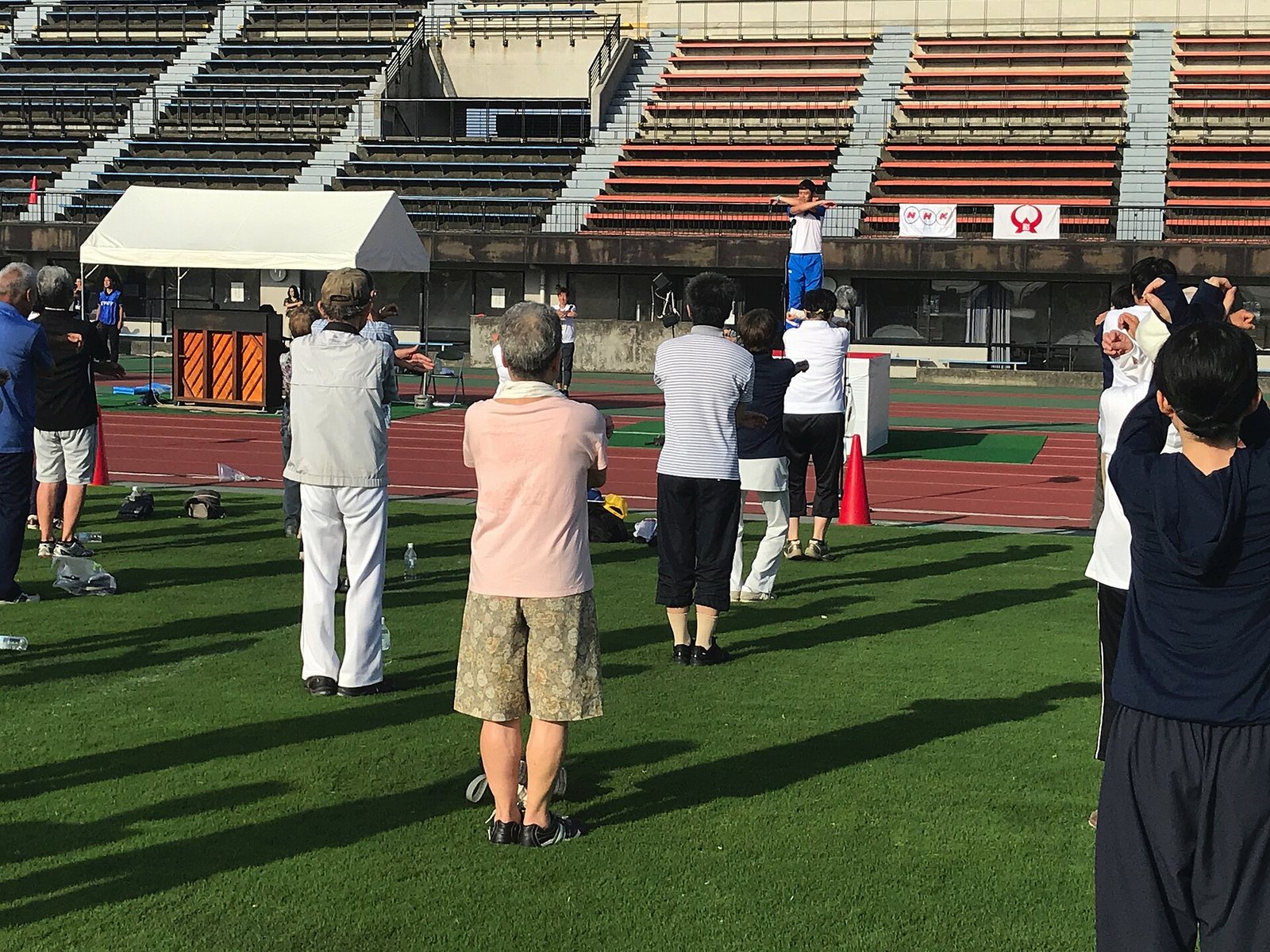
A group following a leader through radio exercises on a field in Japan
A radio-exercise group in Japan. It shows the shared morning practice. The photo is not from Mount Mogan. Wikimedia Commons.

Costa Rica · Nicoya Peninsula

The Nicoya plate

The Nicoya Peninsula is on Costa Rica’s Pacific side. It is one of the places where a large number of people have been recorded living to a great age. Daily food there is beans, corn, squash, rice, and fruit. Meat is small. Supper is light. We do not fly banana leaves and tortillas up the mountain. We keep the rule and buy food in Deqing: soybeans or black beans, rice, greens in season, bamboo shoots, sweet potato. Lunch may include one egg. Supper is one bowl.

For the bodyBeans and grain carry the day. Meat stays small, and supper is light, so the stomach is quiet before sleep.

For the mindThe food is washed and cooked together, and the table opens only when it is ready. Meals stay in the shared room.

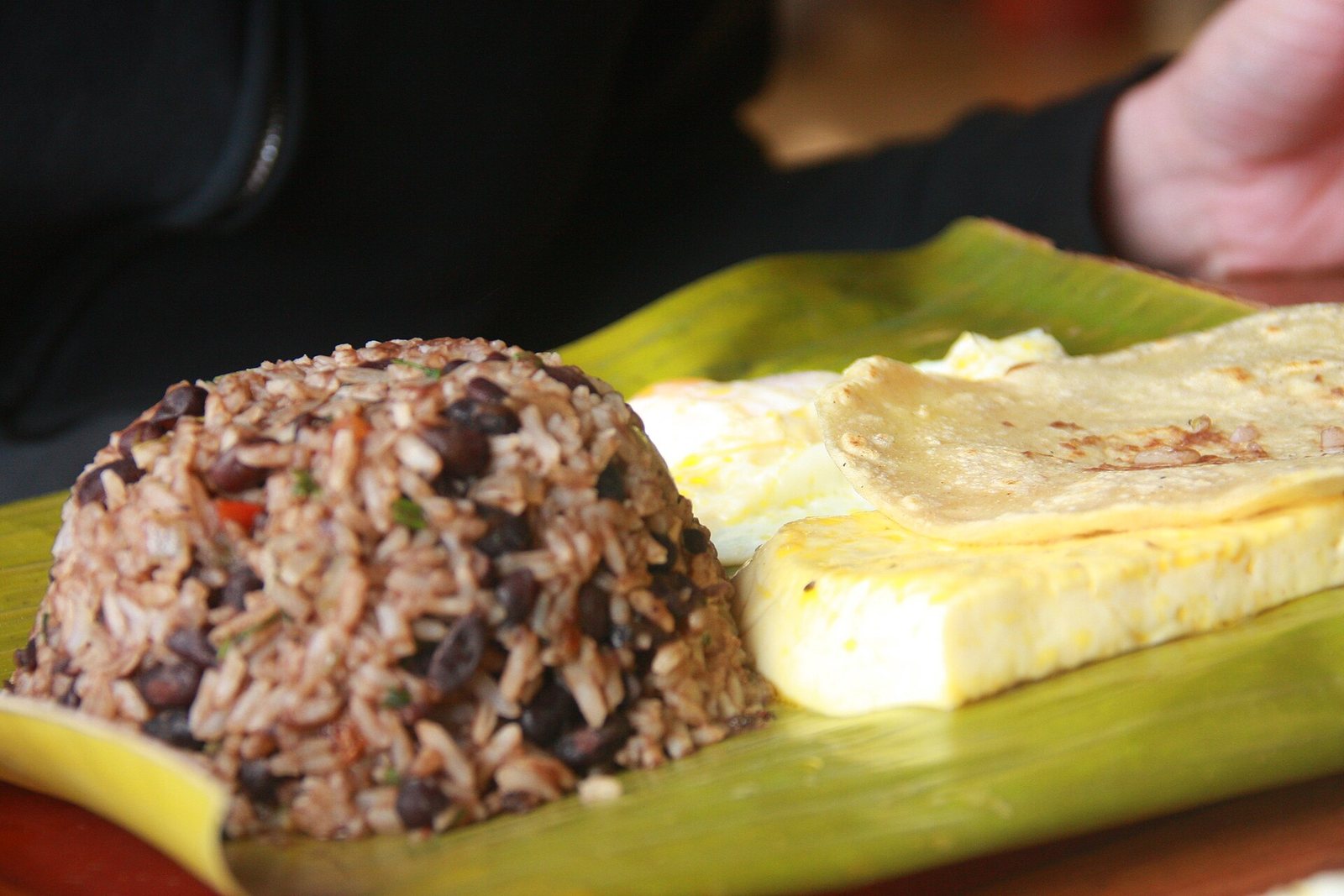
Beans and rice with flatbread and egg on a banana leaf
Beans, rice, and flatbread. Daily food on the Nicoya Peninsula is built on beans and grain. This plate shows that way of eating. It was not cooked on Mount Mogan. Wikimedia Commons.

Finland · sisu

One thing you finish

Sisu is a Finnish word. It means the task is already hard, and you still finish it. It is a word, not the name of a sport. In a Finnish winter, people cut a hole in the ice and get in, then get out. That is a hard thing people there already know. Mount Mogan has no frozen lake. The festival stays on the mountain.

Each afternoon has one hard thing, and the end is named before it starts. Day one: stone steps up to a set platform, then back. Day two: cold stream water on the hands and forearms, for a set time. Day three: uphill to that day’s highest point, and the group starts down only when everyone is there. Then it stops. There is no second hard task.

For the bodyThe hill and the cold water are short. The end is agreed first, so the effort does not keep growing.

For the mindThe hard part has other people in it, and it has a stopping time. You know you finished the thing you said you would finish.

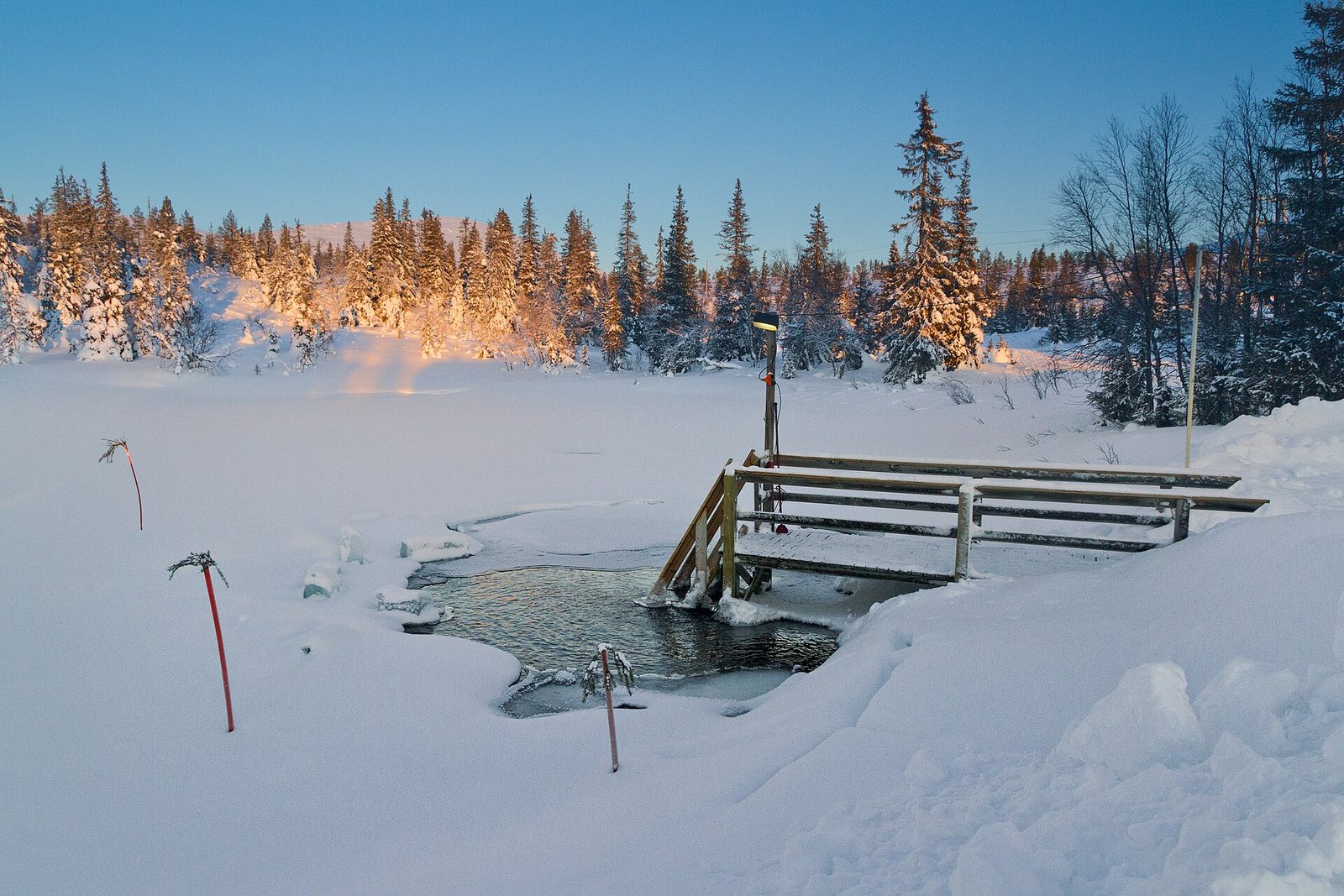
A swimming hole cut into a frozen lake in Finland
A winter ice hole in Finland. This is the scene people put next to the word sisu. Our site is Mount Mogan: paths and stream water. Wikimedia Commons.

How the three days go

Day 1 · Arrival

Morning Meet in the yard. Phones go in the box by the door. Do one full set of radio calisthenics.

Noon Wash beans, cook rice, cut greens in groups. Eat at the long table. A new group washes up.

Afternoon Walk the stone steps in pairs, to the set platform and back. This is the day’s sisu.

Evening Sit together. Each person gets two minutes to say where they wanted to stop. Rooms at nine. The yard stays quiet.

Day 2 · The stream

Morning Radio calisthenics again. Then the stream: cold water on hands and forearms for the agreed time.

Noon A different group cooks. Seats change, so you are not beside the same side of the table as yesterday.

Afternoon Quiet. Write, drink tea, or split tomorrow’s vegetables into pairs. No television in the common room.

Evening Supper is one bowl. The people who wash up are not the noon cooks.

Day 3 · The top

Morning Radio calisthenics, then uphill to the day’s highest point. The group comes down together.

Noon Last long-table meal. Sweep, and put cups and beds back as they were.

Afternoon Walk down. Phones come out of the box at the foot of the mountain. The ride back has no extra event.

Evening The festival ends on the way down.

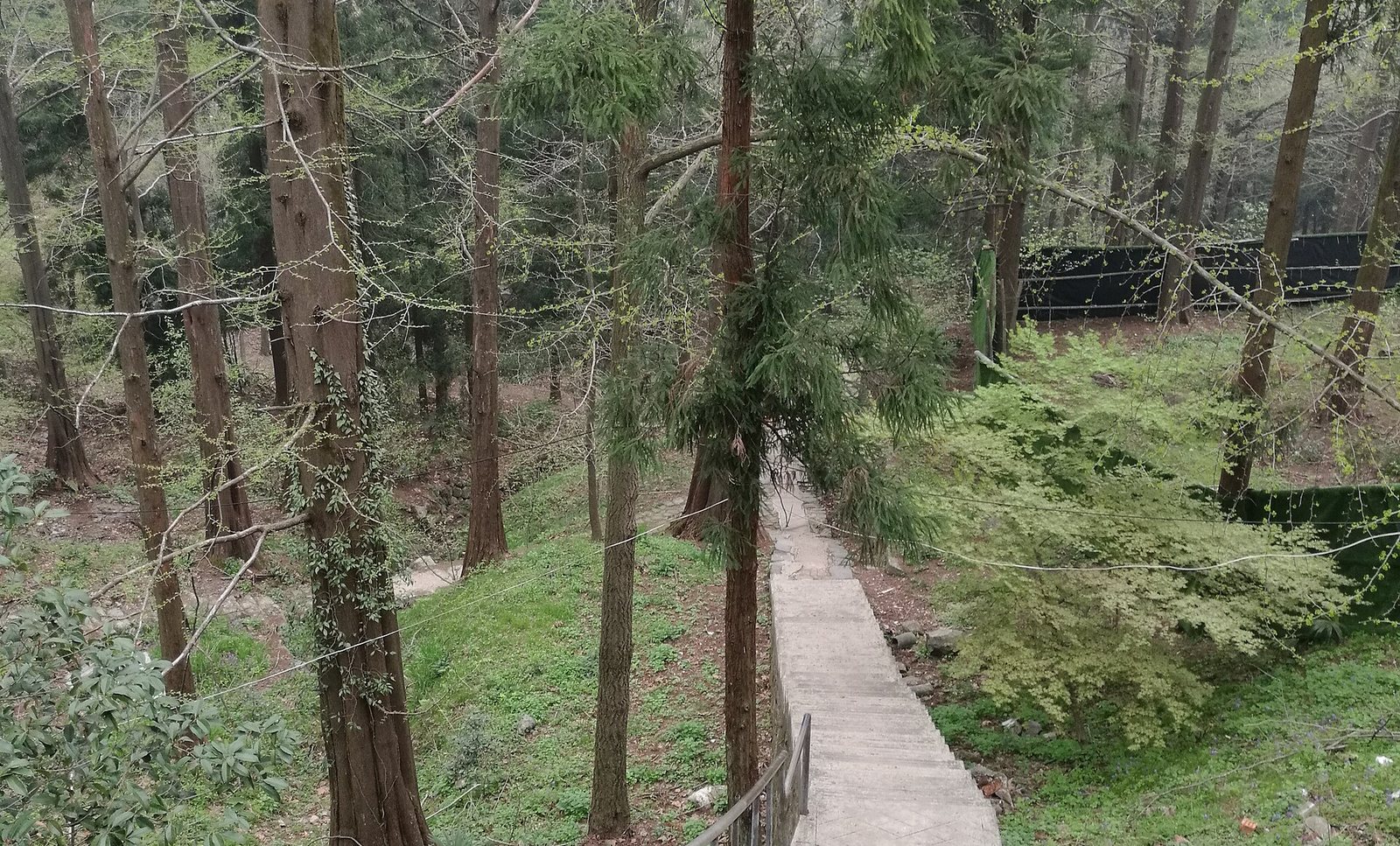
A long flight of stone steps under tall trees on Mount Mogan
Stone steps on Mount Mogan. Day 1 and day 3 use this kind of path. Wikimedia Commons.

03Five senses

The mountain already has bamboo, mist, water, and stone. We take away extra noise and screens, so these five things are what the three days feel like.

Sight

Days are spent among bamboo, mist, tiles, and vines. The opening photo is one of the old houses. The common room has no television and no projector. Phones stay in the box, so the path has no screen in front of it.

Sound

The only played music is the morning exercise. After it stops, the sounds are water, birds, and feet on stone. No speaker in the afternoon. In the evening, one person talks and the others wait.

Smell

Wet bamboo, earth after rain, and tea from the kitchen. Rooms have no scent diffuser and no air freshener. The smell is the mountain’s.

Taste

Beans, rice, greens, bamboo shoots, sweet potato, and tea. Lunch may have one egg. Supper is one bowl. The Nicoya rule stays: plants first, little meat, a light night. Salt and local tea season the food.

Touch

Feet on the steps, hands in the stream, arms next to someone at the table. The rock below is carved “Tiger Mouth,” and you can put a hand on the letters. Stream water is only for day 2, and only to the forearm, after the footing is checked. Bare feet stay on the stone yard after it has been looked over.

Water falling down a dark rock face into a pool on Mount Mogan
A fall on Mount Mogan. Day 2’s cold water is this kind of mountain water, not the Finnish ice hole. Wikimedia Commons.
A boulder beside a stone path, carved in red with the characters for Tiger Mouth
The Tiger Mouth rock beside a Mount Mogan path. Wikimedia Commons.

04How strangers meet

There is no icebreaker game. People meet because the table, the path, and the chores leave no empty corner to disappear into.

  1. Meals are one long table. There is no table for two, and no tray to carry back to a room.
  2. Seats change every meal. You do not sit next to the same friend twice in a row.
  3. Phones go in a box by the door and come out at the foot of the mountain. One lock. That day’s helper holds the key.
  4. Washing, cooking, dishes, and sweeping rotate. Nobody keeps the easy job for all three days.
  5. Radio calisthenics waits until the group is complete. A recording does not stand in for a missing person.
  6. The day’s vegetables are split into pairs. The path is steps, so one person is not left to carry all of it.
Lee Anthropology. Chose radio calisthenics, the Nicoya plate, and sisu, and wrote where each one comes from.
Pak Architecture. The old house, the long table, the phone box, and a common room with no television.
Lucy Creative direction. Ordered the three days, chose which hard task sits on which day, and when the evening goes quiet.